
By Muskan Mehndiratta

The novel virus on the streets is not merely a joke. It has not only shaken the economy majorly but has majorly impacted the education of students around the globe. It is not a joke, it has already caused enough destruction, that leaders around the world have halted all non-essential industries on hold and forced people to stay indoors. For the leaders of all nations, therefore, the health of their people is of primary concern. The COVID-19 resulted in schools being shut down all over the world. Overall, more than 1.2 billion children are out of the classroom. As a result, education has changed significantly, with a noticeable rise in e-learning taking place online and on digital platforms. Though countries are at various points in their COVID-19 infection rates, there are currently more than 1.2 billion children worldwide affected by the pandemic in 186 countries. Although this is of great inconvenience to a lot of people, it has triggered a sudden increase in demand for internet learning, or we can say online education. Correspondingly, educational institutions (universities and schools) are offering online courses and a few online courses – online companies are also providing free online classes to help distinguish the effect of school and schools being shut down for the time being.
Now the question arises that Online Education, a Boon or Bane?
In this lockdown period, information technology has emerged as a superhero. We are all under house arrest, but we are still connected to the outside world. Citizens are working from home, sharing knowledge and stories, learning new recipes and DIY ideas, outdoor workouts, virtual indoor marathons and, last but not least, youngsters getting their online classes. Initially, I was not in favor of these online courses, but slowly I started to like it because it was not that boring of which i was thinking about, and it was really enjoyable, plus gained a good experience. With the uncertainty of the lockdown period , people became serious about online classes and began to see it as the future of our education system. We are coming out of our comfort zone for the first time. We have met people from various cultures and cuisines. Because of this lockdown, people learn to do stuff on their own. They make new friends, new games, new opportunities for themselves. They are learning to work as a team. They are widening their boundaries. Students across India use every technical resource at their fingertips to pursue their studies. Some of the popular tech tools that enable online learning through audio and video links include Zoom, Skype, Whatsapp, Cisco Webex, and Microsoft Teams, etc..
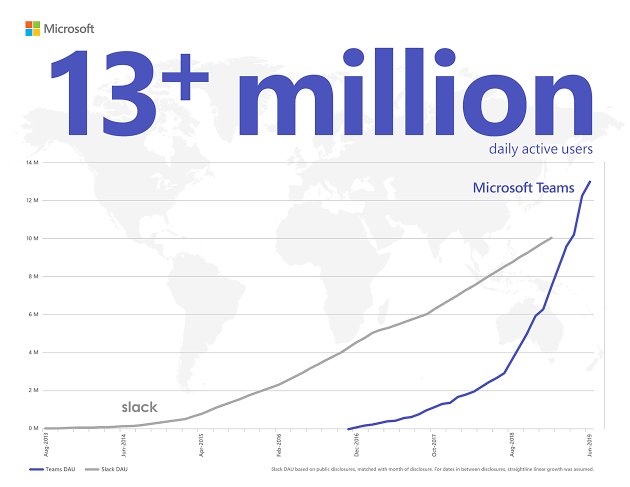
This is a statestical data of Microsoft team in which around 13 million people are daily active users.
Live classes on such platforms ensure that in the midst of the coronavirus pandemic education is not obstructed. Given the audio and video capabilities that the tech devices provide, most people agree that the classroom environment and the human to human interaction can never be replaced by any technology. My personal experience with online learning has its ups and downs. A positive feature is the mute button, which helps to dissolve all the background noise and allows you to listen more clearly. Despite advances in technology, multiple disconnections would occur in an online class, forcing students to say Mam you are not audible. As online platforms seek virtual learning sessions, Lack of proximity to the graduates. Personally, I like the fun group study sessions with friends as they help us to effectively share ideas and create an emotional bond that will last a lifetime between us.
Is learning online as effective?

There is evidence that learning online can be more efficient in a number of ways for those who do have access to the correct technology. Many research indicates that on average, when studying online , students retain 25-60% more content compared to only 8-10% in a classroom. This is also due to the students being able to learn online faster e-learning takes 40-60 percent less time to learn than in a typical classroom environment as students can learn at their own speed, go back and re-read, skipping or speeding through concepts as they want. Despite the lockdown, complexities of the Covid-19 it remains to be seen how long online learning will replace the actual teaching in the classroom.

 Gyann Loaded