
By- Samyukta Narayanan

False and distorted news material isn’t exactly a new thing. It has been part of a media history long before social media, since the invention of the printing press. It is what sold the tabloids before.
Fake news can spread through word of mouth in traditional media and recently through digital forms of communication such as edited videos, memes, verified ads and social media propagated rumors. The damage caused due to fake news on social media has increased due to the growth of internet.
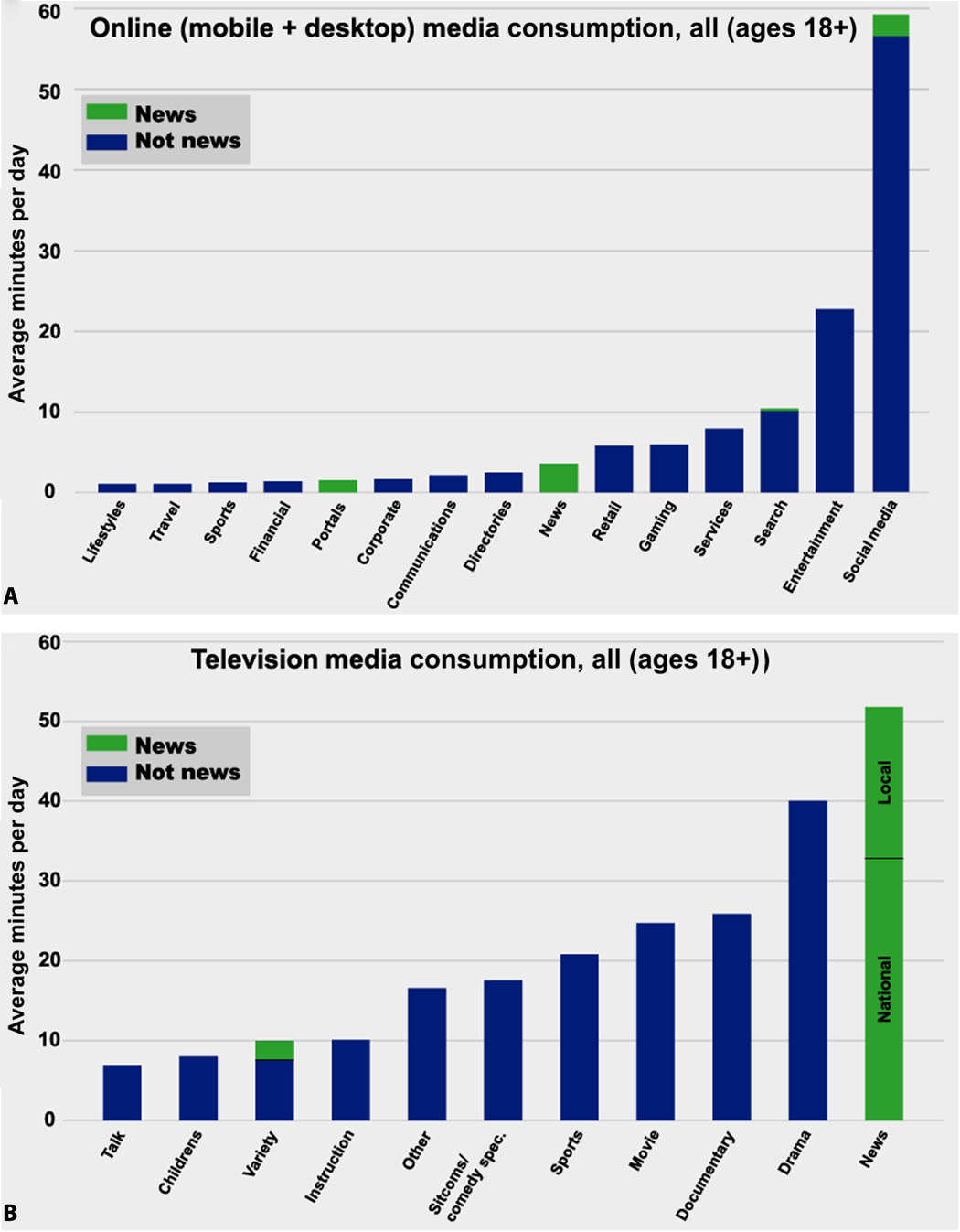
Worldwide in India, it has rised from 137 billion internet users in 2012 to over 600 million in 2019 one of the main problem is the receivers believing anything send to them over the platform due to lack of awareness.
Fake news was very prevalent during the 2019 Indian general election. Misinformation was prevalent at all the level of society during buildups of the election. The elections were called by some as “India’s first WhatsApp election”,with WhatsApp being used by many as a tool of propaganda. Facebook went on to remove nearly 1 million access a day, including one spreading misinformation and fake news before the elections.
Around 5000 social media handles from Pakistan were part of actively spreading fake news and its information on CAA, some using “deep fake videos” in the process 15,000 social media mediators worked over time to identify fake news related to CAA from platforms such as Facebook, tiktok, Twitter and helo.

India has the largest number of social media users in the world across platforms such as Facebook, YouTube, Instagram, WhatsApp, share chat and tiktok. Fake news, rumours and hate speech spread through social media have been connected to various incident of mob attacks and lynching in the country.
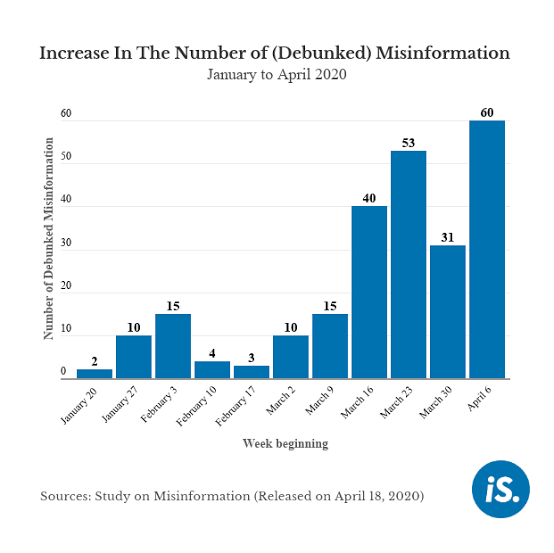
The government in its adversary said that coronavirus outbreak has become a global concern and it has been reported that there is a trend of circulation of misinformation and sharing anonymous data related to virus creating panic among the public.
It urged social media platform to initiate awareness campaigns on the platforms for users to not upload a circulate fake news concerning coronavirus.
WhatsApp has been dealing with fake news and hate speech for a long time, has launched a chat box in partnership with health ministry for disseminating authentic information on covid-19. The app has a feature limiting message forwarding to one chat at a time. The limit kicks in once a message has been forwarded on the platform five times, after which a message can be forwarded to either one WhatsApp group or an individual at a time.


 Gyann Loaded